Maida (Refined Wheat flour)
Maida is extremely popular for making bakery items, snacks, and traditional sweets. It is valued for its fine texture, bright appearance, and soft, elastic dough formation, which makes it ideal for both household use and commercial food production.
₹27.00 – ₹54.00Price range: ₹27.00 through ₹54.00
Maida, commonly known as Refined Wheat Flour, is one of the most widely used flours in the Indian subcontinent and across many South Asian, Middle Eastern, and Southeast Asian markets. Although it is available in every grocery store today, its roots trace back to the milling traditions of ancient wheat-growing regions such as India, Pakistan, and West Asia.
In India, Maida is extremely popular for making bakery items, snacks, and traditional sweets. It is valued for its fine texture, bright appearance, and soft, elastic dough formation, which makes it ideal for both household use and commercial food production.
The scientific name for wheat is Triticum aestivum, and Maida is produced by refining the endosperm of this wheat grain. The bran and germ are removed, leaving a fine, soft, white powder with excellent binding and elasticity properties due to its gluten content.
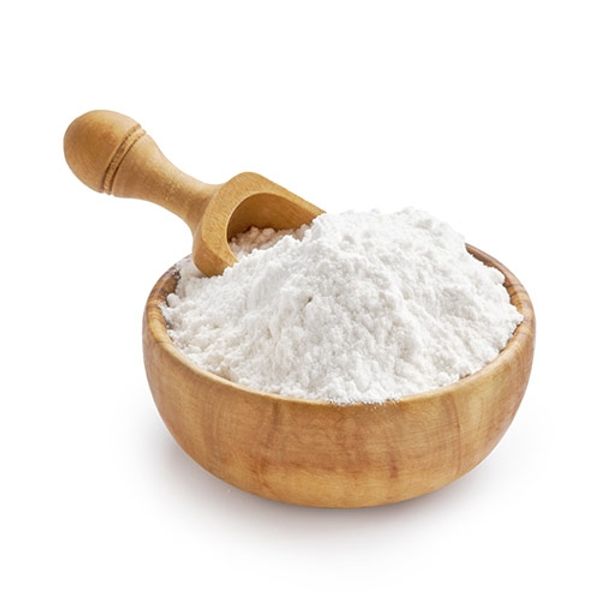
Premium-quality Maida is ultra-fine, smooth, and white to pale creamy in color. It has a neutral aroma and forms a soft dough when kneaded. It is a low-fiber, high-gluten flour that absorbs moisture well and gives excellent rise during baking.
When touched, Maida feels silky and powdery. It is milled to a very fine mesh size to achieve consistency. It is preferred for its ability to produce light, fluffy, and soft textures in baked goods.
Maida is used widely in:
– Breads & buns
– Cakes & pastries
– Biscuits & cookies
– Samosa & kachori covering
– Naan, kulcha, and roomali roti
– Momos & noodles
– Indian sweets like gulab jamun, balushahi
– Thickening sauces and gravies
Its flexibility in both traditional and modern cooking makes it a staple for restaurants, bakeries, confectioners, and households.
Production & Processing:
Maida is produced by milling wheat grains and separating the bran (outer layer) and germ (nutrient-rich core). The remaining endosperm is passed through high-precision rollers and fine mesh sieves.
Steps:
– Cleaning and grading of wheat
– Tempering the grain
– Roller milling to separate endosperm
– Fine grinding to achieve smooth powder
– Bleaching (optional — many wholesale suppliers now prefer unbleached maida)
– Packaging in moisture-proof bags
Modern mills use automated systems to maintain hygiene, reduce contamination, and ensure consistent texture and quality.
Cultivation of Wheat (Maida Source Grain):
Wheat is a hardy annual or biennial grass that grows across India’s northern belt—Punjab, Haryana, Rajasthan, Uttar Pradesh, and Madhya Pradesh—as well as parts of the Deccan and coastal states.
Wheat requires:
– Cool, dry climate
– Well-drained loamy or clay-loamy soil
– Temperatures between 10–25°C
– Adequate sunlight during maturation
India is one of the world’s largest producers of wheat, which ensures a steady supply of raw material for Maida production throughout the year.
The wheat plant thrives in:
– Medium to heavy soils
– Neutral to slightly alkaline pH
– Moist but not waterlogged conditions
It cannot grow in extreme shade and prefers open fields. Wheat can tolerate dry spells moderately but not excessive rain or floods.
Nutritional Profile & Benefits:
Although Maida is a refined flour and contains less fiber than whole wheat flour, it remains a valuable source of carbohydrates, energy, and moderate protein. Many mills fortify Maida with vitamins and iron to improve its nutritional value.
Nutritional Highlights (per 100g, approx.):
– Energy: High (350–370 kcal)
– Carbohydrates: ~76g
– Protein: 8–10g (gluten-rich)
– Fat: Very low
– Fiber: Minimal
– Fortified variants include: Iron, Folic Acid, B-vitamins
Benefits:
– Provides quick energy due to high carbohydrate content.
– High gluten content gives excellent dough elasticity, perfect for bakery and snack production.
– Fortified Maida supports iron intake and helps reduce risk of deficiencies when consumed in moderation.
Since Maida absorbs flavors well and gives uniform structure, it remains a preferred ingredient for commercial kitchens and packaged food manufacturers.
Important Notes:
– Excessive consumption should be balanced with whole grains for better fiber intake.
– Maida should be stored in an airtight container away from moisture to prevent infestation.
– Unbleached Maida is increasingly preferred for healthier, chemical-free baking.